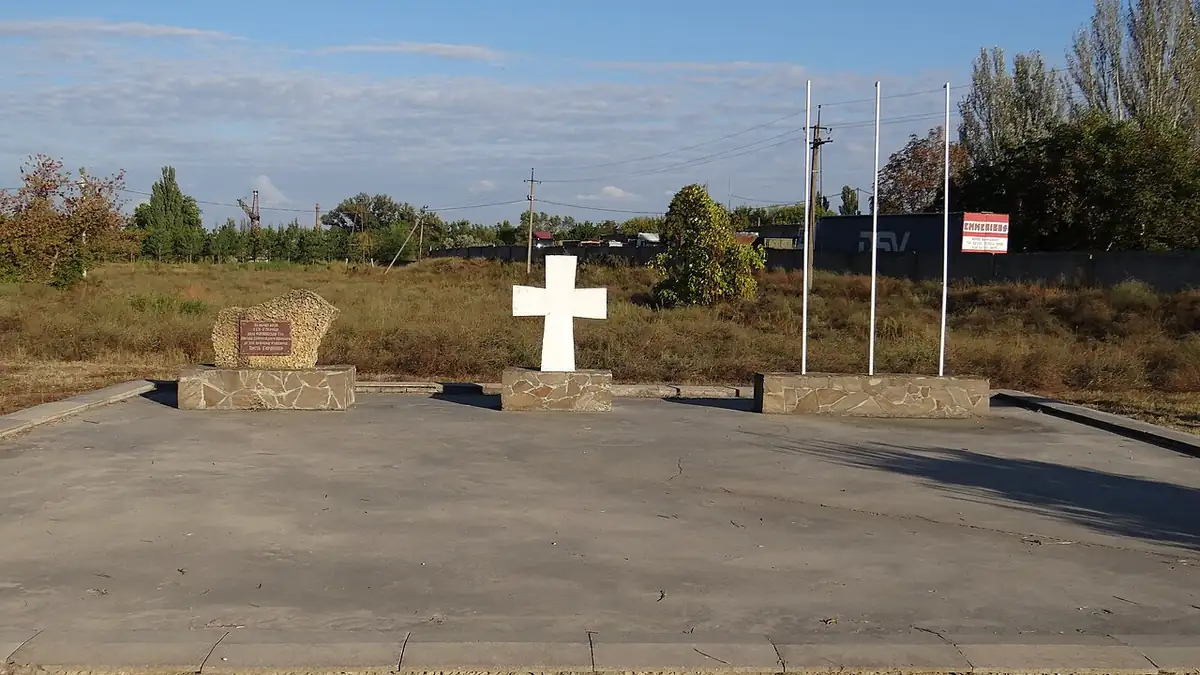

The White House said on October 23 that a localized humanitarian ceasefire had been arranged around Russian-occupied Oleshky in southern Ukraine, with first lady Melania Trump involved in the effort. Associated Press reported the announcement and the plan for relief and voluntary evacuations. Announcement, acceptance by both sides and successful implementation are separate milestones.
A local truce, not the end of the war
For people in an occupied area, the immediate issues are food, medical supplies, water, heating and safe passage. A diplomatic statement signals intent; meaningful relief depends on workable routes and guarantees honored by the sides.
What remains unclear about evacuations
Follow-up reporting should seek confirmation from Ukraine and Russia, establish when the local pause would start and verify whether aid teams gained access. Planned evacuations should not be described as completed, and a local pause does not amount to an end to the wider war.
The challenge of safe humanitarian access
A genuinely voluntary evacuation must allow people to choose a destination without coercion and requires safe travel conditions. Those questions are not settled by a press statement alone. Diplomatic facilitation should also be distinguished from the operational responsibility of armed actors controlling the area.