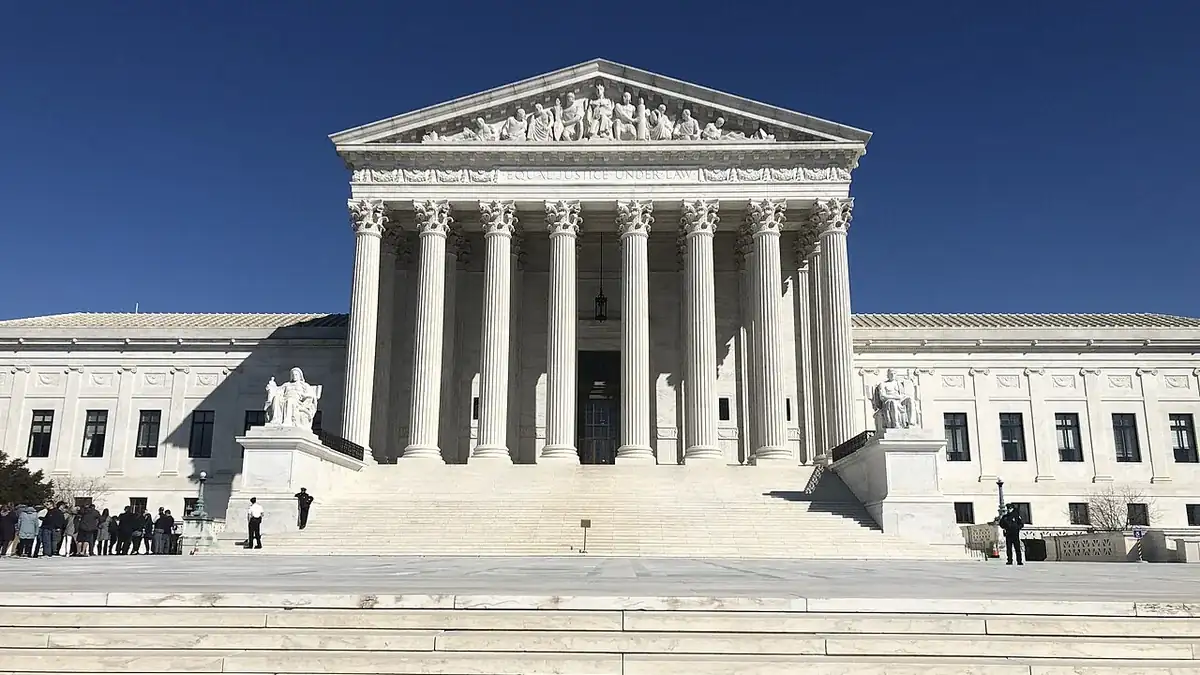

The justices refused an emergency request from the Trump administration, leaving a lower-court injunction in place while litigation continues.
What the Court actually decided
The US Supreme Court rejected an emergency request on October 21 from the Trump administration to enforce certain restrictions on medical care and accommodations for transgender people in federal prisons. The short order leaves a lower-court injunction in place while litigation continues. It is not a final ruling resolving every constitutional issue in the dispute.
Associated Press and Reuters reported that the disputed policy would affect care linked to gender dysphoria, including hormone treatment and other provisions. Justices Clarence Thomas and Samuel Alito indicated they would have granted the administration’s request. The Court did not issue a detailed majority explanation at this emergency stage.
Why an interim order matters
An emergency stay application concerns which rules operate while the merits of a legal challenge are still being considered. By denying a stay, the Court allows the lower court’s temporary restriction on the government policy to remain effective. The eventual outcome of the case is a separate matter.
The dispute concerns healthcare duties toward people in federal custody, administrative authority and civil rights. Accurate coverage needs to name the specific policy and procedural status without reducing affected individuals to political labels.
What comes next
Further hearings and decisions may follow in lower courts. Readers should look for actual judicial documents and attributed statements rather than treating a single-line emergency order as the final word on federal prison healthcare.
Sources and documents
Editorial verification: based on reporting available October 22, 2026. Recheck developments before release.