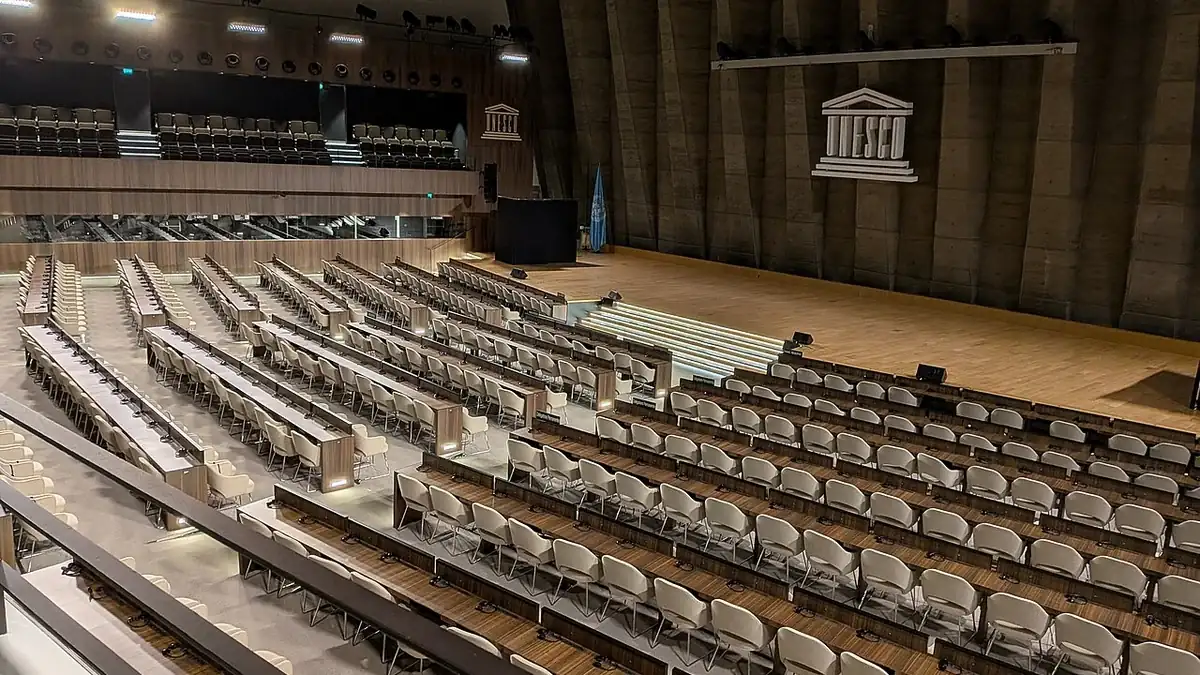

UNESCO lists October 24–31 for its 2026 global media and information literacy observance, focusing on how people evaluate and share information.
Being online is not the same as being informed
UNESCO is preparing Global Media and Information Literacy Week 2026, listed on its central event page for October 24–31. Under the theme “We All Play a Part – Media and Information Literacy for the People,” the organisation aims to involve students, teachers, journalists, creators, public institutions and families in the skills needed to evaluate information and take part responsibly in digital life.
A separate UNESCO IITE announcement gives a closing date of October 30. Rather than silently concealing the discrepancy, this article follows the main UNESCO event page and notes that regional events may have their own schedules. Participants should consult the listing of the specific event they wish to attend.
Three useful questions before sharing
Who first published the claim? What document or independently checkable evidence supports it? Are its date and context still being represented accurately? Those questions are often more useful than assuming a widely shared image proves everything written next to it.
Media and information literacy goes beyond spotting fabricated headlines. It includes identifying commercial interests, understanding automated recommendations, protecting personal information and recognising when evidence is insufficient for a firm conclusion.
Shared responsibility
Publishers can help by linking to sources, making corrections visible and avoiding misleading imagery. Readers can interrupt the spread of rumours by checking before forwarding. UNESCO’s week offers a reminder that those practices matter every day, not only during highly publicised controversies.
Sources and documents
Editorial verification: based on reporting available October 22, 2026. Recheck developments before release.