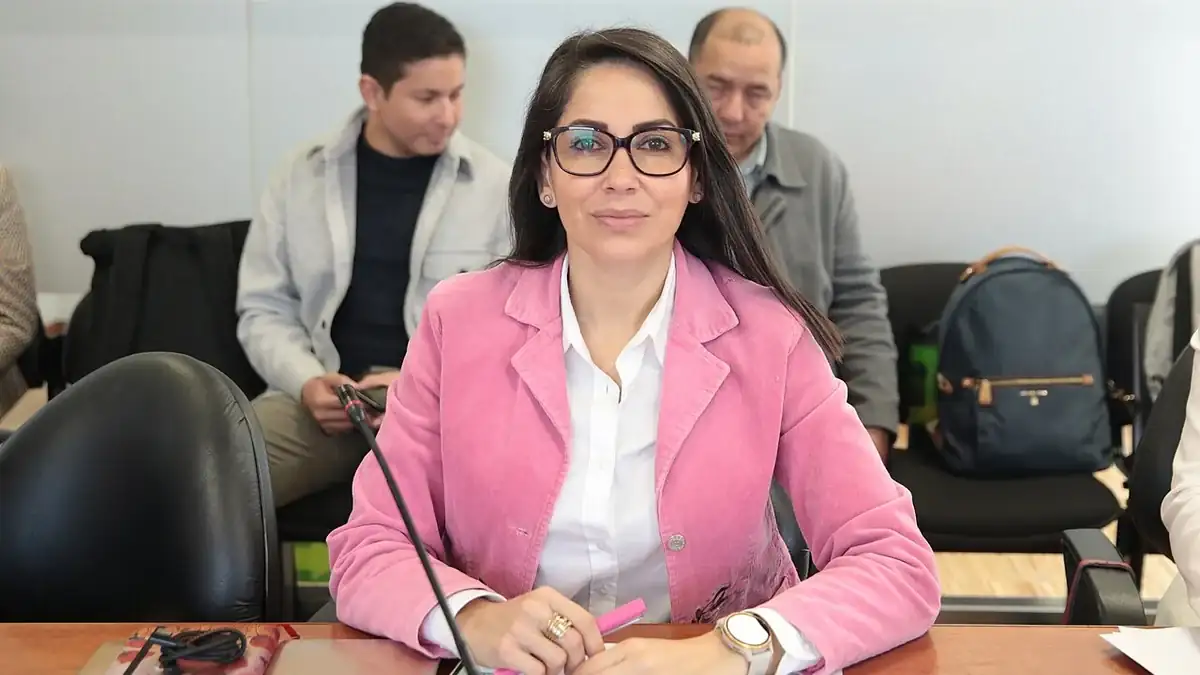

Ecuadorian former presidential candidate Luisa González was detained in the early hours of October 22, 2026, during a suspected money-laundering investigation connected with advertising spending in the 2023 election campaign. The case is ongoing. No conviction for the allegations discussed here has been established.
News of González’s detention emerged early on Thursday, October 22, while the precise legal basis for the police operation was still unclear in initial reporting. Later accounts citing information from prosecutors identified the investigation as the Laberinto case, which concerns alleged irregularities in political contributions and campaign advertising expenditure.
That distinction matters. A detention is not the same as a conviction, and coverage must separate what investigators allege, what the defense disputes and what a court has actually decided. Each is a different category of information.
Where and when was González detained?
According to Ecuavisa’s reporting, González was detained at approximately 4 a.m. on October 22 in Canuto, in Manabí province. Some coverage referred more broadly to Chone, the canton that includes Canuto. Those geographical descriptions should not be mistaken for evidence of separate detention operations.
Early stories also reflected uncertainty over which investigation prompted the arrest. Reporting published later in the morning supplied more detail, making it essential to consider the timestamp and sourcing of each claim.
What is the Laberinto case — and how is it different from Caja Chica?
Ecuavisa, citing information from Ecuador’s Prosecutor General’s Office, reported that Laberinto concerns possible discrepancies in political contributions, the lawful origin of resources and spending on campaign advertising during the 2023 presidential election. It reported that the investigation began on October 14, 2026, and that the detention was related to a planned filing of charges for suspected money laundering.
The Caja Chica case appears in other coverage of earlier campaign-finance allegations. They are separate investigations, and references to one should not automatically be presented as evidence in the other. A claimed procedural link would need specific official documentation.
Reuters also reported allegations concerning campaign financing arrangements and the use of entities to pay for advertising. Dollar figures, the number of individuals implicated and each person’s procedural status should not be treated as settled without checking the latest prosecutorial or court records. Different publications can refer to different stages of the same developing case.
The opposition’s response
The Citizens’ Revolution movement challenged the arrest procedure and said that, during the early hours, it lacked information about González’s whereabouts and that her lawyers had encountered difficulties accessing her. Ecuavisa reported these as claims by the political organization, not as judicial findings that procedural rights had been violated.
Other reporting cited González’s rejection of the allegations and her view that the case was politically motivated. Her response is part of the story, just as the authorities’ account is. Neither prosecutors’ allegations nor political rebuttals should be elevated into an established judicial finding.
What still needs to be established?
The next documents of public interest include any formal filing of charges, rulings on detention or other precautionary measures, court decisions and the parties’ formally recorded submissions. In particular, reporting should establish whether a hearing has taken place and what, if anything, the court has ordered.
Timing is crucial. A report published early on October 22 could quickly become incomplete if a hearing takes place or an official statement clarifies the facts later that same day. Figures and custody descriptions drawn from an early account should therefore not be copied into a later article without a fresh check.
The detention of a former presidential candidate is plainly of public interest. Responsible coverage nonetheless has to tell two distinct, attributed stories: what investigators say they are examining, and what González and her political organization contest. The presumption of innocence remains in force until criminal liability is established through due process.
Sources
- Reuters — Arrest and campaign-finance allegations, October 22, 2026
- Ecuavisa — The Laberinto case and its subjects, October 22, 2026
- Ecuavisa — Citizens’ Revolution’s objections, October 22, 2026
- Ecuavisa — Developing coverage, October 22, 2026
Editorial review dated October 22, 2026. Check for newer court developments before release. Any image of González from 2023 must be identified as archival, not an image of the detention.