
JAXA says MMX launched on October 20 Japan time and completed its initial critical operations on October 21, beginning a mission to study Phobos.
Why different outlets use different launch dates
Japan’s Martian Moons eXploration spacecraft, MMX, lifted off from Tanegashima Space Center aboard an H3 rocket. The launch took place at 04:41 on October 20 in Japan—still the evening of October 19 in parts of Europe. The time-zone difference explains reports using different calendar dates for the same event.
On October 21, JAXA confirmed that MMX had completed its initial critical operations after spacecraft separation. These include vital checks establishing the vehicle’s health. A successful rocket launch is one milestone; a functioning spacecraft on its outbound journey is another.
The mission’s central question
MMX is heading to the Martian moons, focusing especially on Phobos. Researchers want to learn how these bodies formed and what they reveal about Mars. The plan calls for returning material from Phobos to Earth around 2031, provided the subsequent mission phases proceed successfully.
The Idefix rover, developed with German and French contributions, is intended to help study the moon’s surface in extremely low gravity. Landing or operating on Phobos is different from working on Mars: the body’s shape, environment and weak gravity affect every manoeuvre.
What happens during cruise
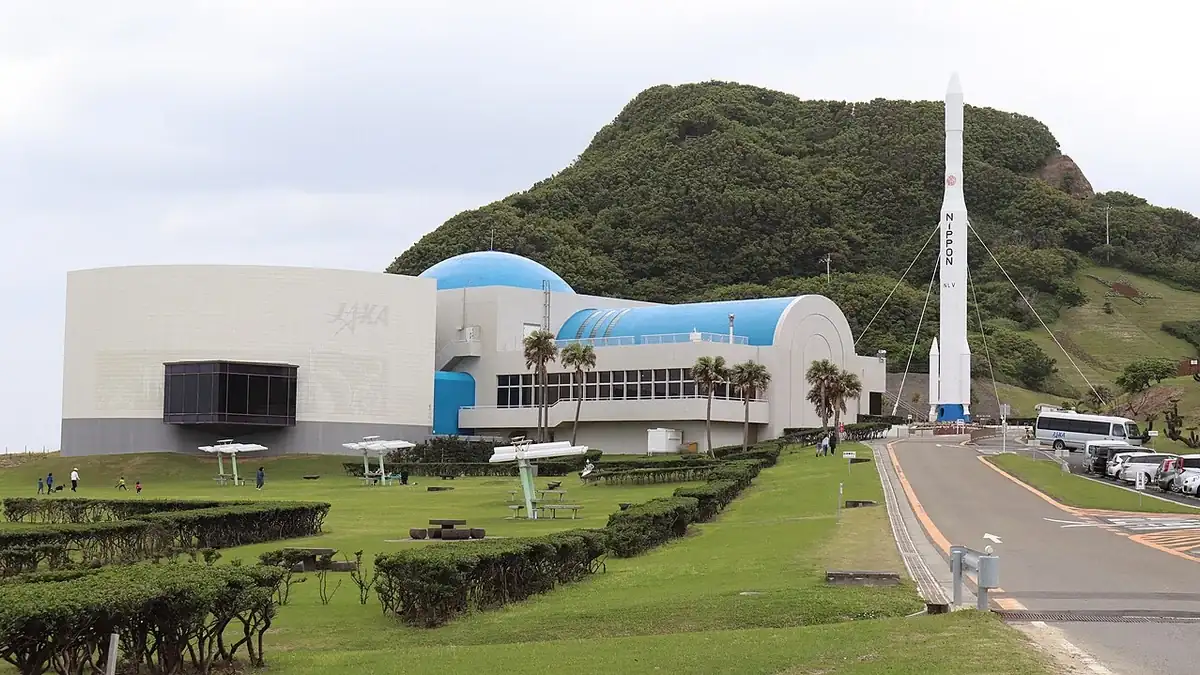
Instrument checkout and preparation for the voyage are among the next steps. MMX has not yet landed on Phobos or collected a sample. The accompanying image is an archival view of the space centre, not a photograph of this particular launch.
Sources and documents
Editorial verification: based on reporting available October 22, 2026. Recheck developments before release.