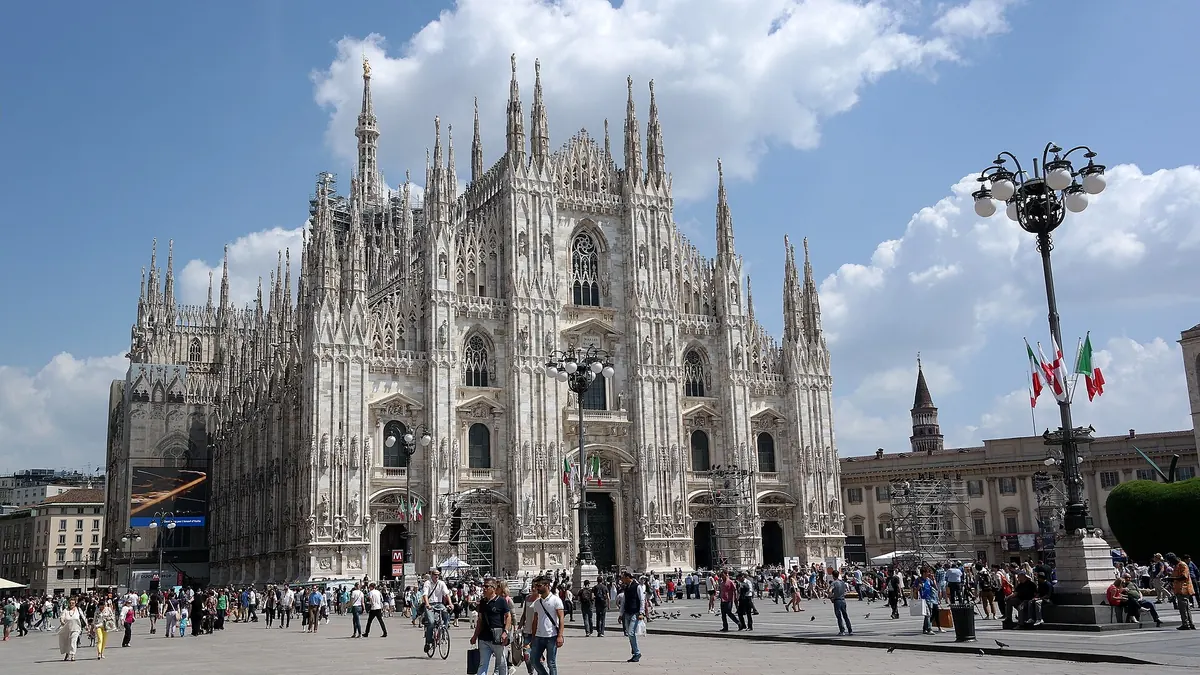

Violence and looting in Milan prompted a new response from the Italian government on October 20. Prime Minister Giorgia Meloni’s administration approved tougher measures targeting violent behavior at demonstrations and announced a stronger security presence. The central debate extends beyond Milan: how should authorities address serious disorder while protecting the right to peaceful protest?
Source: ANSA: security decree approved on 20 October.
What the measures include
ANSA and Sky TG24 reported a government decree imposing heavier penalties for certain violent acts connected to demonstrations. The provisions described include sentences of up to five years in prison and fines reaching €20,000 in defined circumstances. The package also addresses parents’ financial responsibility for damage committed by minors and expands certain police powers involving teenagers.
Officials also announced the deployment of 500 additional troops to Milan in support of security operations. That is a specific measure responding to recent unrest, not proof that every demonstration poses a similar threat.
Source: ANSA: security decree approved on 20 October.
Peaceful protest is not the same as violent crime
A necessary distinction in a democracy is the difference between participating in a peaceful demonstration and committing assault, theft or vandalism. Authorities argue they need workable enforcement powers; critics concerned about civil liberties may question whether broader powers are proportionate, especially where minors are involved.
A cabinet-approved decree is not the same thing as a measure that has completed the entire parliamentary process. The reach of each provision must be checked against its official text and the applicable parliamentary process. Its final legal reach depends on official text, subsequent legislative action and possible judicial review.
Source: Sky TG24: Milan security decree, live coverage.
Why the story is bigger than Milan
The Italian measures follow unrest during a period of pressure from energy costs and living expenses across Europe. That does not establish that protests in different countries share one organizer or that peaceful marchers are responsible for violent incidents. Treating all demonstrators as criminals would distort the picture.
Residents, businesses and civic organizations will have reason to watch what happens next: does parliament sustain the changes, how are new powers applied, and what evidence emerges about their impact on public safety?
As of October 20: the government had approved and announced the measures reported above. Their eventual operation and legal consequences remain subject to implementation and further scrutiny. Any updated account should verify the final text and deployment figures.
Source: Sky TG24: Milan security decree, live coverage.
Sources and verification date
- ANSA: security decree approved on 20 October — 2026-10-20.
- Sky TG24: Milan security decree, live coverage — 2026-10-20.