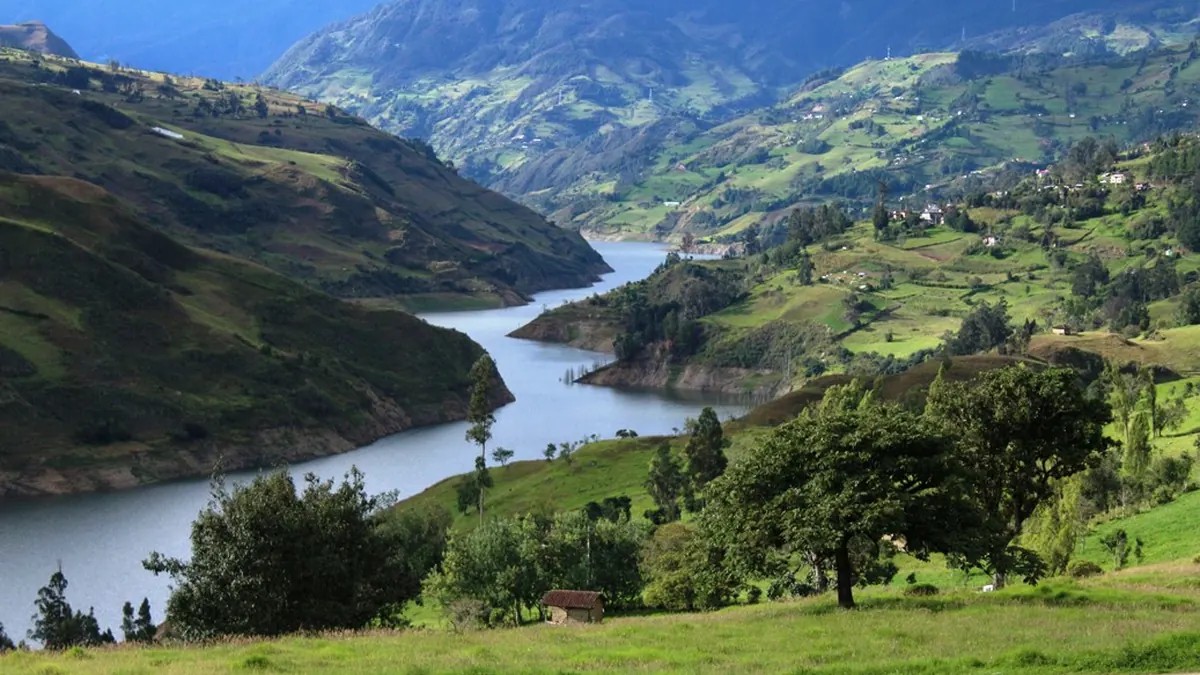

A difference of just 68 centimeters has brought electricity anxiety back into Ecuador’s national conversation. That is how far the Mazar reservoir’s water level fell over 24 hours, according to figures compared by Ecuavisa at midday on October 20. The question behind the measurement is far bigger: does it signal a looming problem for homes, businesses and the national power system?
Source: www.ecuavisa.com: Ecuador’s Mazar reservoir keeps falling: what it means for electricity supply.
What the measurements actually show
Mazar stood at 2,121.54 meters above sea level at noon on Tuesday, down from 2,122.22 meters at the same time on Monday. Its minimum operating reference is 2,115 meters, leaving a reported 6.54-meter margin. The shrinking buffer deserves attention, but it is not a published schedule of electricity outages.
Mazar is part of Ecuador’s Paute Integral hydropower complex. It does more than generate power with its own turbines: the reservoir helps regulate water flowing through interconnected facilities downstream. That gives its stored water an importance beyond the output of a single plant. State electricity company CELEC has described Mazar as a central regulating reservoir in the country’s electricity system.
Source: www.ecuavisa.com: Ecuador’s Mazar reservoir keeps falling: what it means for electricity supply.
Does a falling reservoir automatically mean blackouts?
No. Reservoir height is one indicator among several. The outcome also depends on incoming river flows, subsequent rainfall, generation from other hydroelectric plants, thermal capacity, electricity demand and system operation. A single midday reading cannot, on its own, establish when or whether power cuts would take place.
Ecuadorians have good reason to remember earlier electricity shortages. That history makes a fresh decline feel especially serious, but an accurate report must separate a measurable risk from an official emergency decision. Sharing an invented blackout timetable would serve neither households nor businesses.
What matters next
The trajectory is more informative than the snapshot. Does the level keep falling, and how quickly? Do inflows improve? Have electricity authorities changed their assessment of available generation? Answers from CELEC, the grid operator and the responsible ministry carry more weight than speculation on social media.
Households should verify any outage notices with their electricity distributor rather than relying on forwarded screenshots. Companies can use the changing water levels as a reason to follow official operational updates, not as proof that disruption is certain.
Confirmed as of October 20: Mazar’s level declined and approached its minimum operating reference. Not established by that figure alone: an unavoidable nationwide blackout.
Source: Así está el embalse de Mazar.