
Water scarcity is pushing China to scale desalination, filtration and recycling systems for domestic use and overseas customers.
Water technology becomes an export story
China is developing an export industry that attracts less attention than electric vehicles or solar panels: equipment for making freshwater through desalination, filtration and recycling. A Reuters report published on October 22 explains how pressure on natural water supplies and industrial demand have elevated the sector’s strategic importance.
Based on UN Comtrade figures cited by Reuters, China exported more than $2 billion worth of water-filtering and purification machinery in 2025, about 25% more than in 2020. That is not a claim that China physically shipped that value of drinking water abroad. The products are equipment, membranes and services that allow customers to treat their own supplies.
Why membranes are central
Reverse-osmosis desalination removes salts from seawater, while other treatment processes can help reuse wastewater for specific purposes. Performance depends on energy requirements, upkeep, input-water quality and the environmental handling of concentrated waste streams. No single machine can end every drought.
Chinese suppliers are seeking buyers across Asia, Africa and the Middle East. Demand is driven by water stress, urban growth and major infrastructure investments, creating a market for firms that can manufacture and maintain equipment at scale.
The wider limitation
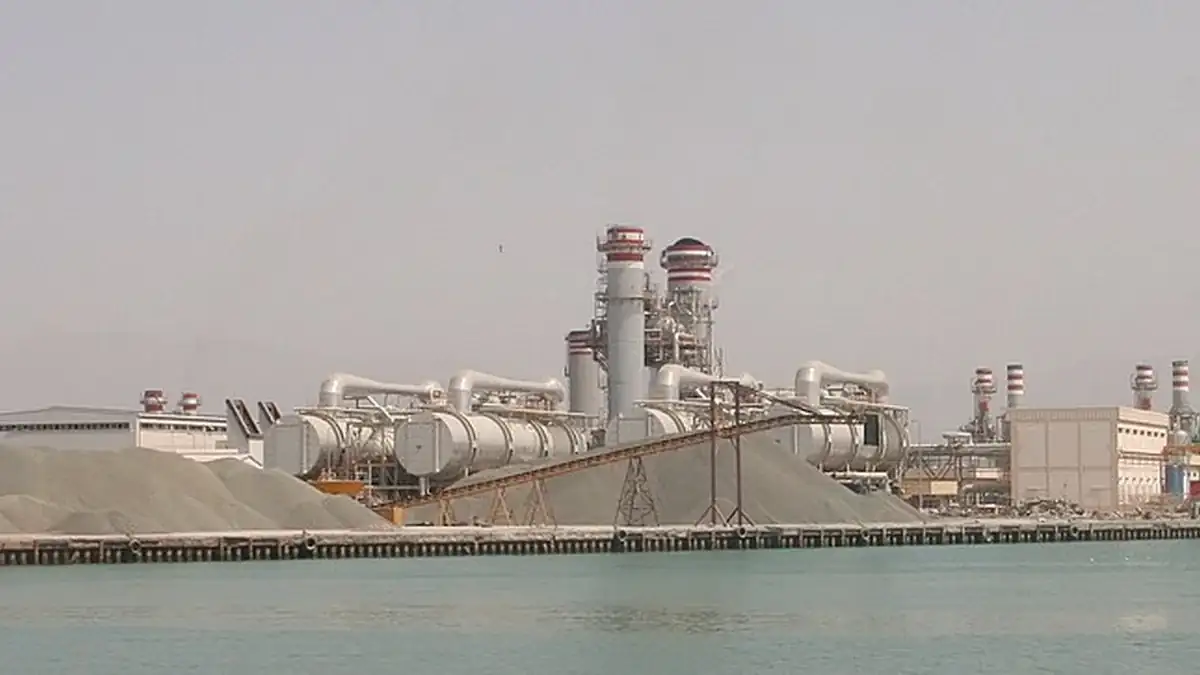
Engineering can increase available freshwater, but it does not replace watershed protection, leakage reduction or sound regulation. Export growth is a documented commercial trend; the benefits and costs of individual projects require separate analysis. The proposed image shows a desalination plant elsewhere and must be labelled as contextual archive photography.
Sources and documents
Editorial verification: based on reporting available October 22, 2026. Recheck developments before release.