
Beijing wants trade barriers affecting clean technologies to be debated at COP31. The climate summit has not yet started.
When climate policy meets trade policy
China said on October 21 that it wants tariffs and other trade barriers on clean technologies discussed at the upcoming COP31 climate summit. Vice-minister of Ecology and Environment Li Gao argued that such measures undermine collective efforts to cut emissions, Reuters reported ahead of the meeting planned in Antalya, Turkey.
China is a major producer of solar panels, batteries, wind equipment and electric vehicles. Beijing argues that restrictions on these products make the energy transition more expensive, particularly for countries seeking affordable technology. Trading partners, meanwhile, raise concerns about subsidies, competition and industrial dependence. These are positions taken by interested parties, not a mutually agreed assessment.
Can climate negotiations settle tariff disputes?
COP meetings are principally forums for negotiating climate commitments. Trade rules are also contested elsewhere, and simply putting a subject on the COP agenda does not mean tariffs will be lifted or a deal is in sight.
China wants the debate to address established issues such as climate finance and emissions reductions alongside what it characterises as unilateral protectionism. Whether any of that language enters negotiated conclusions depends on other governments.
Why it matters for prices
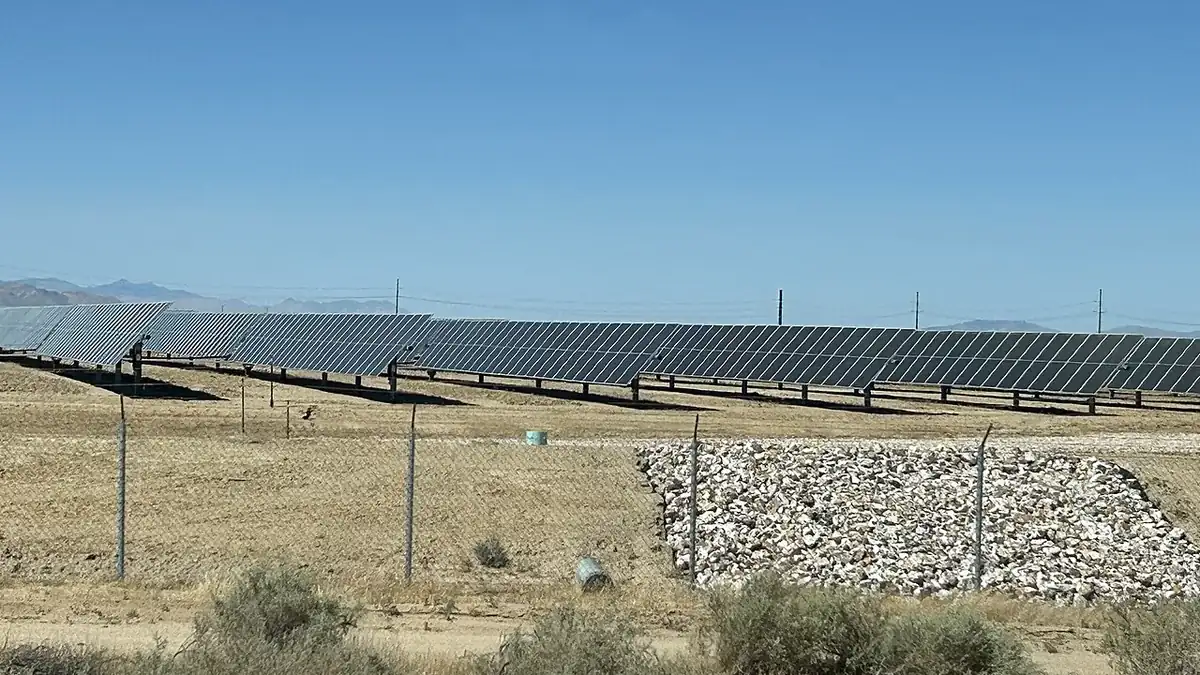
Import costs can affect energy projects and electric-vehicle supply chains, but no automatic or immediate consumer price cut follows from this announcement. The proposed solar-panel photograph is contextual archive imagery rather than a picture of COP31 discussions.
Sources and documents
Editorial verification: based on reporting available October 22, 2026. Recheck developments before release.