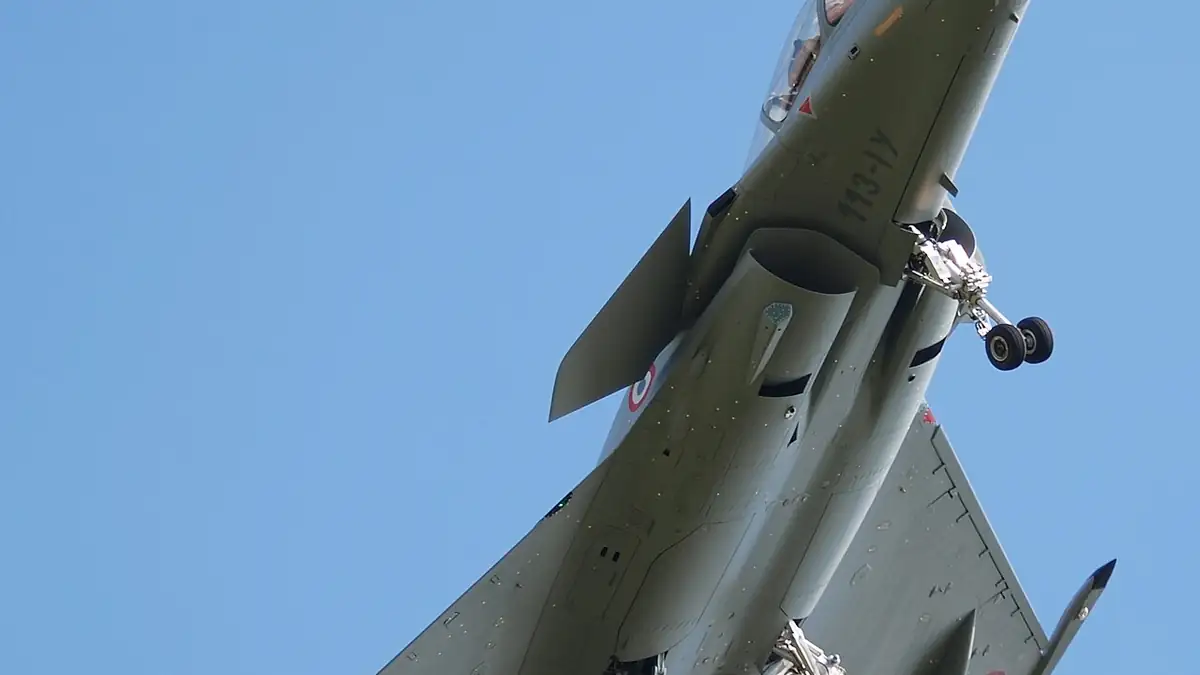

British fighter aircraft took part in a French military exercise connected to nuclear deterrence, according to reports on October 23. The development raises questions about European defense coordination, but participation by a non-nuclear aircraft does not mean that Britain transferred nuclear weapons or changed its nuclear command arrangements.
What the British aircraft did
An exercise may involve escort, support, surveillance or simulated threats. Readers need to understand the specific support role of British aircraft rather than assume they carried nuclear weapons. France’s command of its own deterrent is a separate issue.
Cooperation without transfer of control
The significance depends on what Paris and London officially confirm about the objectives and whether this represents a new form of coordination. An older Rafale photo is useful background but must be labeled as an archive image, not presented as a picture from the October exercise.
What an exercise really demonstrates
European deterrence debates intensify when allies demonstrate coordination, but an exercise announcement need not signal a new treaty. Participating aircraft can provide protection or support without carrying strategic weapons. Any claim of a doctrine change should rest on explicit official decisions, not a photograph of aircraft flying together.