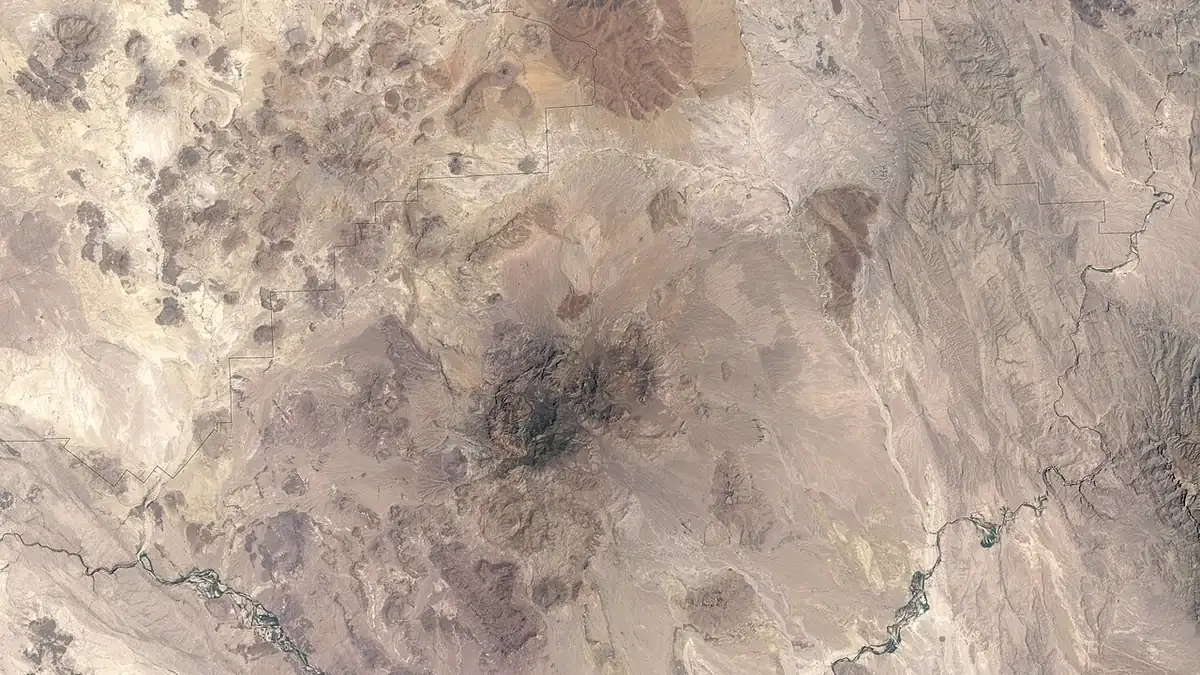

The administration is asking the Supreme Court to pause a lower-court order restricting border construction in an environmentally sensitive part of Texas.
The dispute reaches the highest court
The Trump administration asked the US Supreme Court on October 21 to allow work on border infrastructure in the Big Bend region of West Texas to resume while litigation continues. A lower court had temporarily blocked certain construction. Filing an emergency application is not the same as obtaining approval to restart the work.
Big Bend includes a national park and remote landscapes where border policy intersects with wildlife habitat, protected land and communities dependent on tourism and local businesses. The legal dispute involves federal powers, construction procedures and environmental concerns—not simply a national argument over whether walls should exist.
Competing concerns
The administration argues that the injunction frustrates border-enforcement operations and its ability to build infrastructure. Opponents point to ecological damage, effects on property and public spending in a landscape unlike heavily travelled urban border corridors.
It is essential to distinguish an executive request, a preliminary court order and a final judicial outcome. None of those procedural events alone establishes exactly what the barrier would achieve or what its environmental cost would be.
What happens next
The Court’s handling of the emergency application will affect whether work remains paused during the case. Project plans and environmental documentation also warrant scrutiny. The proposed satellite image depicts Big Bend as geographical context, not new wall construction.
Sources and documents
Editorial verification: based on reporting available October 22, 2026. Recheck developments before release.