
On Sunday morning, French cities were confronting the aftermath of a deeply troubling day: broken shop windows, damaged public buildings and cleanup crews working through streets that had been crowded with demonstrators hours earlier. Mass protests on Saturday, October 17, gave way in several places to looting, fires and clashes.
The images are striking, but they are not the whole story. Reducing the demonstrations to the violence leaves out the grievances that brought people onto the streets. Treating every protester as a rioter would be equally inaccurate.
What triggered the protests?
A combination of concerns helped fuel the mobilization: rising living costs, expensive fuel and dissatisfaction with public services, particularly education. Student complaints about school conditions and teacher shortages had contributed to a broader movement involving labor unions and other groups.
The demands were not identical everywhere, and the crowds did not represent a single political organization. That diversity helps explain why the demonstrations spread to multiple cities—and why their political meaning remains contested.
How large were the marches?
Reports by Associated Press and other outlets cited hundreds of thousands of participants, with estimates varying by source. As authorities assessed the violence, arrest and injury figures continued to change.
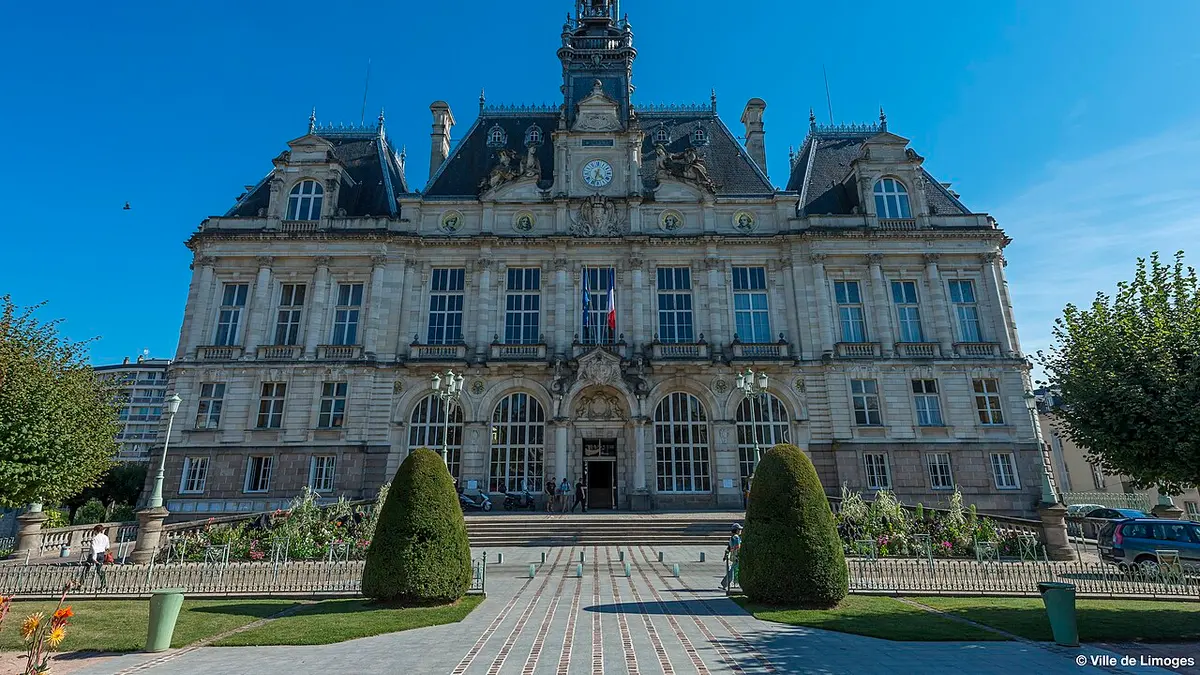
In Paris, Marseille, Lyon and Limoges, violent groups damaged shops, burned property and attacked public buildings. Limoges’ historic town hall was among the sites affected. By Sunday, reports were citing at least 1,800 arrests linked to the unrest.
These figures describe an extraordinary day, but they should not be used to collapse two distinct facts into one: large numbers took part in demonstrations, while particular groups and individuals engaged in violence.
October 18 update: AFP put the national total at about 2,000 arrests and reported renewed clashes in Paris on Sunday. This is a later tally than AP’s 1,800, not an additional number to add or a final consolidated total.
How are political leaders responding?
President Emmanuel Macron condemned the destruction and was expected to address the country after crisis discussions. Government figures blamed some of the rioting on radical groups and opportunistic criminals who exploited the demonstrations.
Other political voices questioned the handling of the protests and the government’s response to underlying social grievances. Those competing arguments deserve to be described accurately, without implying that public dissatisfaction justifies attacks on people or businesses.
Shop owners and municipal authorities are now assessing the damage, and any final tally of arrests, injuries and financial losses may differ from figures published during the first 24 hours.
Is this another Yellow Vests moment?
There are similarities: a sense of economic frustration, protests spanning many cities, and renewed friction between some demonstrators and the authorities. But this is not simply a replay of the Yellow Vests movement. The current mobilization also reflects specific education grievances, student involvement and the political climate of 2026.
The comparison may help explain the scale of public frustration, but it should not substitute for examining what today’s protesters are actually demanding.
What happens next?
Three developments will matter most: an official consolidated accounting of the violence, any new government measures responding to economic and education concerns, and whether further demonstrations are called.
The most important takeaway is not a shocking clip shared without context. France is facing a significant social and political test, with consequences for peaceful demonstrators, public institutions and people whose businesses were caught in the violence.
Sources
Editorial note: attendance, arrest and injury counts are provisional as of October 18, 2026. Check updated official and journalistic reporting before any later revision.